How to Avoid Shark Bites: A Data-Driven Approach
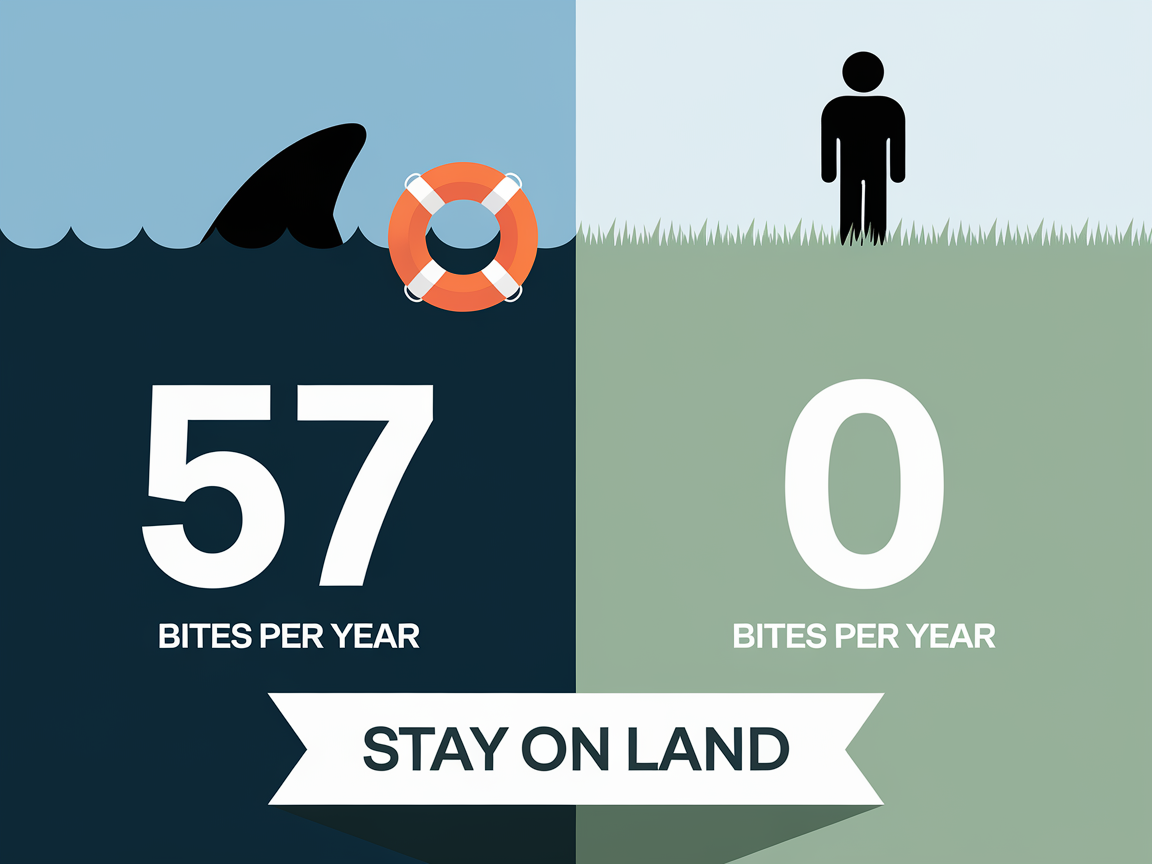
The data is in. The results are conclusive.
After reviewing global shark attack statistics, I've discovered the single most effective method for avoiding shark bites: stay out of the water.
The Numbers
According to the International Shark Attack File (ISAF) maintained by the Florida Museum, which contains over 6,800 individual investigations dating back to the 1500s:
- 2024: 47 unprovoked shark attacks worldwide
- 2023: Unprovoked attacks increased with an uptick in fatalities
- 2015: Record year with 98 unprovoked attacks globally
Meanwhile, Shark Spotters reports these regional statistics:
- South Africa since 1905: 248 unprovoked attacks total
- Cape Peninsula since 1960: ~28 attacks (roughly 1 every 2 years)
- Primary species involved: Great white, tiger, and bull sharks
The Prevention Strategy
| Location | Annual Shark Bites | Risk Level |
|---|---|---|
| Swimming in ocean | ~50-100 | Moderate |
| Standing on land | 0 | None |
The math is simple: 100% of shark bites occur in water.
Context Matters
Before you cancel your beach trip, consider the actual risk. The ISAF provides comparative data showing shark attacks are statistically less likely than:
- Lightning strikes
- Tornadoes
- Rip currents
- Alligator attacks
The increase in reported attacks over time correlates more with increased ocean recreation and better reporting systems than with changes in shark behavior.
Conclusion
Yes, this is tongue-in-cheek. Sharks aren't hunting humans—we're not on their menu. But if you want a 100% guaranteed method to avoid shark bites, the data supports one foolproof strategy.
Stay dry, friends.
Sources: